Thinking about moving to Jonesboro, GA? You want a place that balances value, convenience, and a sense of community without the stress of big-city costs. You also want clear answers about neighborhoods, schools, commutes, and daily life before you commit. This guide gives you a practical, local picture of what to expect so you can plan your move with confidence. Let’s dive in.
Jonesboro at a glance
Jonesboro is the county seat of Clayton County and sits in Atlanta’s southern suburbs. You’ll find a small historic downtown at the center with neighborhoods that radiate outward. The feel is suburban with older homes near the core and newer subdivisions and apartments along major corridors.
Many residents work at or near the Atlanta airport, in logistics and healthcare, or commute into the broader metro. The city’s size keeps everyday life manageable while giving you access to regional jobs, services, and major highways.
Neighborhoods and housing
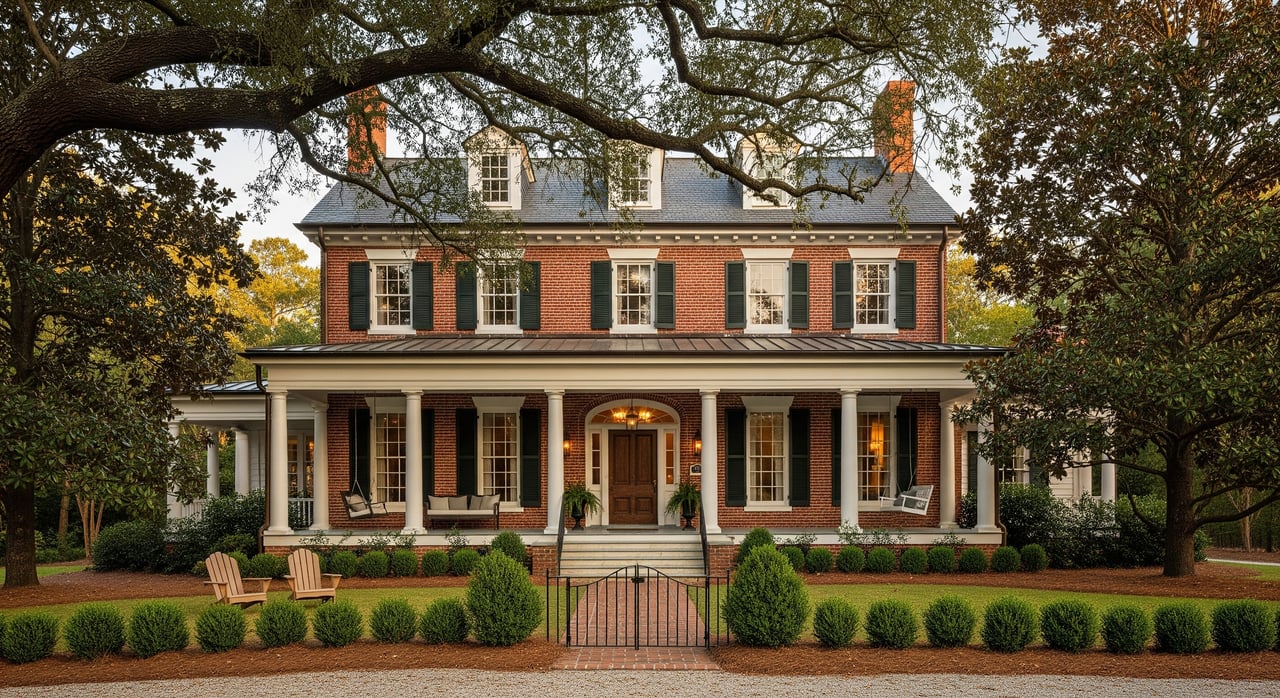
Jonesboro offers a range of property types, from older bungalows to townhomes and traditional single-family houses. If you are buying or renting, you’ll likely notice that prices are often lower than many other parts of the Atlanta area.
Historic downtown character
Near the courthouse square, you’ll see older single-family homes on walkable streets. Expect architectural variety, local businesses, civic buildings, and historic markers that reflect the area’s past. If you like a small-town setting with quick access to city offices and events, this area may appeal to you.
Subdivisions and townhomes
Farther from downtown, you’ll find mid-century and newer subdivisions with traditional floor plans and yard space. Some newer communities include townhomes and have homeowners associations. HOA fees and amenities vary by neighborhood, so review each community’s covenants, budget, and rules before you buy.
Apartments and rentals
Conventional apartment communities and duplexes are common along main roads. If you plan to rent before buying, you can usually find options across a range of price points and unit sizes. Investors also look in Jonesboro for value and access to Southside employment centers.
Affordability snapshot
Housing in Jonesboro is generally more affordable than many northern Atlanta suburbs. You can find older homes that may need updates, renovated properties ready for move-in, and pockets of newer construction. Check current listings and days on market to understand pricing trends before you make offers.
Cost of living and homeownership basics
Your monthly costs include more than a purchase price or rent. Plan for the following:
- Property taxes. Review the county and city tax rates and estimate your annual bill with the Clayton County Tax Assessor. If you qualify, apply for homestead exemptions to reduce costs.
- Homeowners insurance. Premiums vary by property age and coverage level. Compare quotes early, especially if you are considering older homes.
- HOA dues. Common in newer subdivisions and townhome communities. Ask for the latest budget, reserve study, and any pending special assessments.
- Utilities. Confirm providers for electric, gas, water, sewer, trash, and internet. Ask about average bills for the address you are considering.
A clear picture of these items helps you set a realistic budget and avoid surprises after closing.
Schools and learning
Public K-12 schools in Jonesboro are served by Clayton County Public Schools. School assignments and performance vary by campus, so verify attendance zones and review recent state report cards for the schools tied to any home you are considering. Private and charter options exist within the broader county.
For higher education, Clayton State University in nearby Morrow provides undergraduate and graduate programs. You will also find technical colleges and community college options within a reasonable drive.
If early learning or after-school programs are important to you, research local childcare providers, pre-K availability, and waitlists. County parks and community centers often host youth sports, arts, and seasonal camps.
Parks, culture, and community
Jonesboro offers municipal and county parks with playgrounds, sports fields, and open green space. Larger Clayton County facilities serve the region with additional amenities and programs. Weekend leagues, fitness classes, and youth activities are common, especially in peak seasons.
Historic downtown holds cultural landmarks and periodic events like markets, parades, and small festivals. Check the city calendar or chamber for current dates. Public libraries and community centers provide meeting rooms, classes, and resources that help new residents settle in.
If you enjoy the outdoors, you can reach larger Southside trails, lakes, and nature areas by car for hiking, boating, and picnics.
Commute and transportation
Jonesboro connects to I-75 and I-285 via nearby arterials, which makes it straightforward to reach the broader metro. Typical drive times to Downtown or Midtown Atlanta vary by time of day and can range from about 25 minutes in light traffic to 60 minutes or more at peak. The drive to Hartsfield-Jackson Atlanta International Airport is often shorter.
MARTA offers bus service that reaches parts of Clayton County. As of the mid-2020s, rail service does not extend into most of the county. If transit access matters to you, review current bus routes and schedules and consider park-and-ride options. Many residents rely on cars, carpools, and rideshare for daily commuting.
For the most accurate route planning, check up-to-date traffic information and consider testing your commute at your typical travel time.
Healthcare, shopping, and services
You will find regional hospitals and urgent care clinics within short drives of Jonesboro, along with primary care and specialty providers that serve Clayton County. Pharmacies, grocery stores, and big-box retailers line the main commercial corridors, while local restaurants and small businesses cluster near downtown.
City services like city hall, the post office, and county service centers are located in and around the downtown area. Use these for utilities setup, permits, vehicle registration, and other new-resident tasks.
Safety and local government
Public safety services in the area include city police and county law enforcement, with fire and EMS coverage across the county. Crime patterns can vary by block and corridor. If safety is a priority for your move, review the most recent crime statistics from official sources and visit neighborhoods at different times of day to get a feel for activity levels.
Community programs and neighborhood associations can be helpful points of contact once you settle in. Many residents find that staying engaged with local meetings and updates helps them feel informed and connected.
Practical moving checklist
Use this quick checklist to simplify your transition:
- Confirm utilities. Identify providers for electric, gas, water, sewer, trash, and internet. Schedule start dates to align with your move-in.
- Verify school enrollment. Check attendance zones, required documents, and registration timelines with Clayton County Public Schools.
- Register to vote. Use the Clayton County Board of Elections to update your address and find your polling place.
- Review HOA rules. If your home is in an HOA, request covenants, bylaws, fee schedules, and contact information.
- Plan your commute. Test-drive your route during peak and off-peak hours. Note alternative roads for traffic backups.
- Line up local pros. Identify inspectors, contractors, landscapers, and cleaners early if you plan updates after closing.
- Understand permits. If you are renovating or placing a storage pod, confirm city or county permits and placement rules.
- Time your move. Spring and summer are peak seasons. Book movers and delivery windows well in advance.
Is Jonesboro right for you?
If you want solid housing options, a practical commute to Southside job hubs, and everyday conveniences without metro-level pricing, Jonesboro is worth a close look. You can choose from historic homes, traditional subdivisions, townhomes, and rentals, all within reach of parks, schools, and healthcare.
As with any move, the best fit depends on your goals. Spend time in several neighborhoods, compare commute times, and confirm school and service details for your specific address.
Ready to talk through your plans or see homes that match your budget and timeline? Connect with Melissa Thompson for a friendly, no-pressure conversation and a clear plan from search to close.
FAQs
Is Jonesboro, GA affordable compared to other Atlanta suburbs?
- Housing in Jonesboro is generally more budget-friendly than many northern metro suburbs, with options ranging from older fixer opportunities to updated homes and townhomes.
How long is the commute from Jonesboro to Downtown Atlanta?
- Drive times vary by time of day, typically about 25 minutes in light traffic and 60 minutes or more during peak hours, with shorter trips to the airport.
What public schools serve Jonesboro addresses?
- Most Jonesboro homes are zoned to Clayton County Public Schools; verify the exact attendance zone and the latest state report card for each school tied to your address.
Does Jonesboro have public transit?
- MARTA operates bus service reaching parts of Clayton County, while rail service does not extend into most of the county as of the mid-2020s.
Are there parks and community programs nearby?
- Yes, municipal and county parks offer playgrounds, sports fields, and programming, and community centers and libraries provide classes, events, and resources.
Where do I handle utilities and local registrations after moving?
- Set up utilities with local providers, register to vote with the county elections office, and visit city or county service centers for permits, vehicle tags, and other paperwork.