Thinking about listing your Stockbridge home, but not sure what happens first? You are not alone. In a market where buyers are still active but price-conscious, the best results usually come from a clear plan, smart preparation, and steady follow-through. This step-by-step guide will show you what to expect, what to do, and how to move forward with confidence. Let’s dive in.
Stockbridge Market Snapshot
If you are selling in Stockbridge, it helps to start with the current market picture. Recent data points to a balanced market, not a fast-moving frenzy. That means buyers have options, and your strategy matters.
As of May 2026, Stockbridge had 508 active listings, a median listing price of $320,000, and a median of 58 days on market. Homes were selling for about 99% of asking price on average. In Henry County, the April 2026 single-family MLS update showed a median sales price of $349,450, 54 days on market, 1,194 homes for sale, 4.6 months of supply, and 98.7% of list price received.
The takeaway is simple: pricing, condition, and presentation matter. This is not the kind of market where most sellers can test an overly high price and expect buyers to rush in anyway. Buyers are still moving, but they are comparing value carefully.
Mortgage rates also shape buyer behavior. Freddie Mac reported a 30-year fixed average of 6.52% on June 11, 2026, which helps explain why many buyers are focused on affordability and monthly payment. In practical terms, that means your home needs to feel well-priced from the start.
Start With a Home Review
Before your home goes live, take time to look at it through a buyer’s eyes. This first step helps you spot issues, plan updates, and set realistic expectations around timing and net proceeds. It is also the best time to gather paperwork you may need later.
A pre-sale inspection is not required, but it can be useful. It may uncover roof, HVAC, plumbing, electrical, or other concerns before a buyer discovers them. If issues come up early, you have more control over whether to repair them, price around them, or prepare documentation.
It also helps to collect records for anything staying with the home. That can include appliance manuals, warranties, repair receipts, and service records. Organized information can make the process feel smoother once offers begin coming in.
Focus on What Buyers Notice
Most buyers respond best to homes that feel clean, simple, and easy to picture themselves in. That does not mean making everything perfect. It means removing distractions so the home itself stands out.
A strong prep list usually includes:
- Deep cleaning throughout the home
- Decluttering countertops, closets, and storage areas
- Removing overly personal decor
- Touching up paint where needed
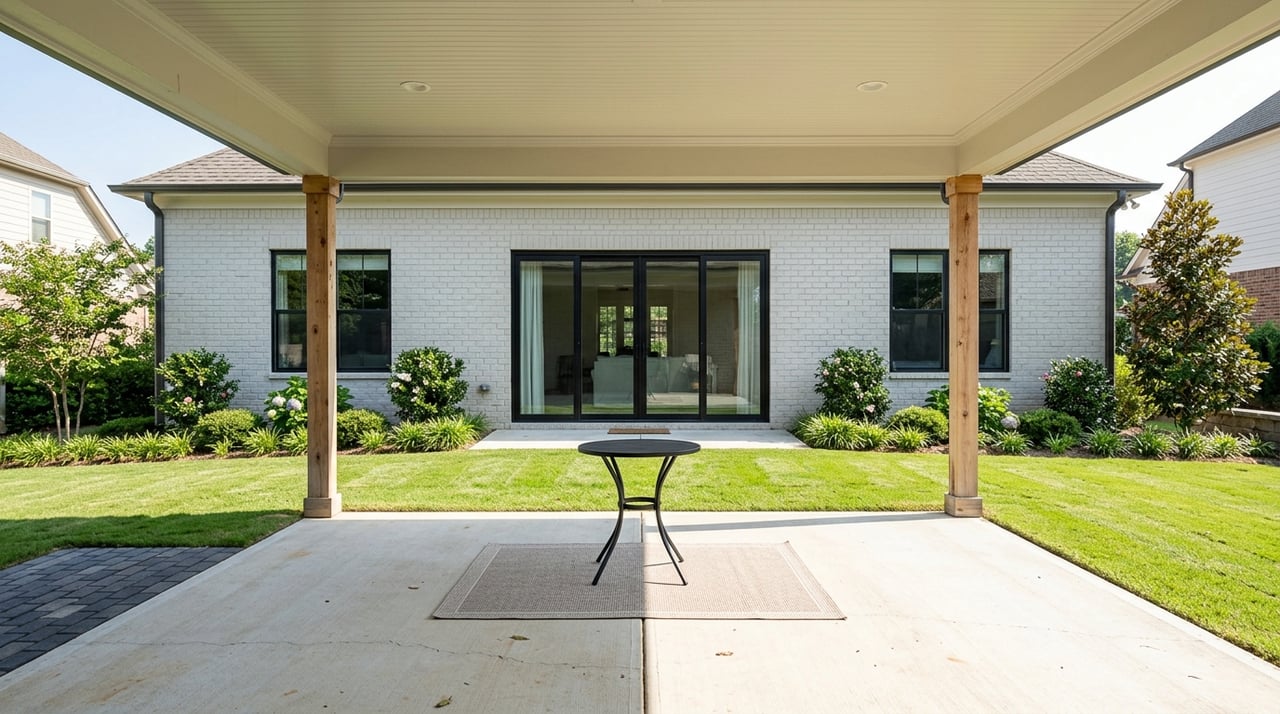
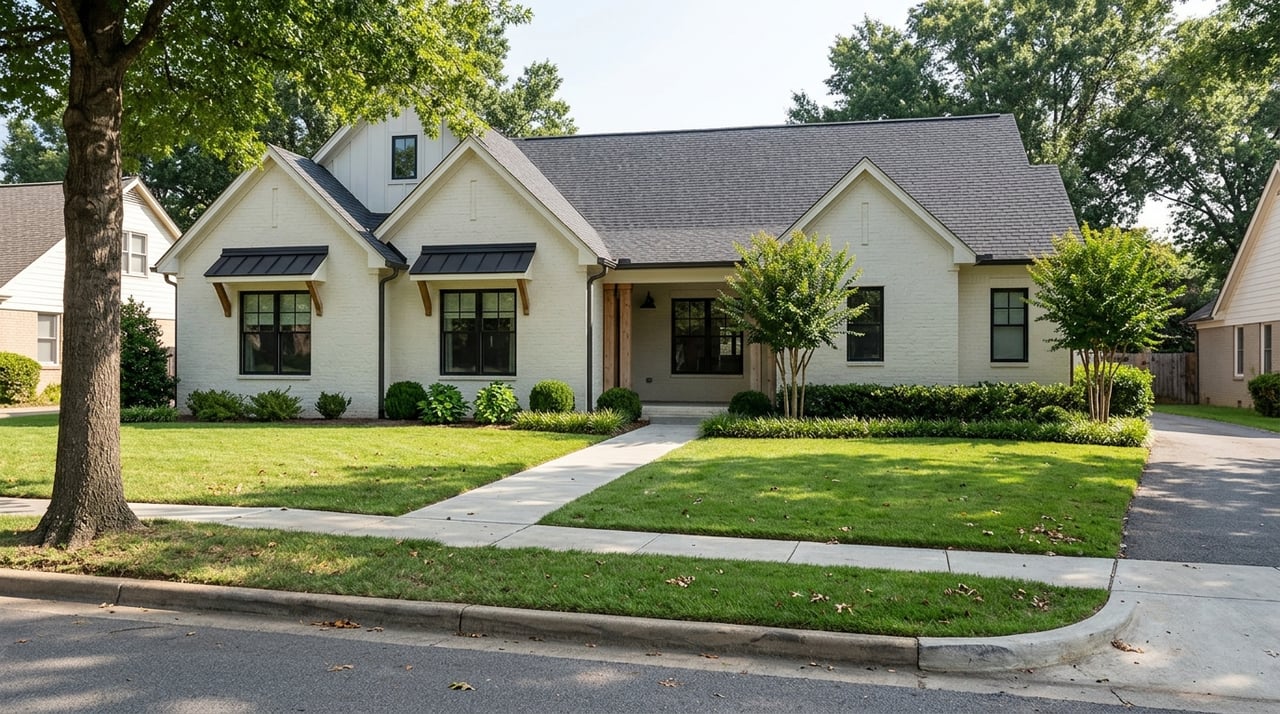
- Improving curb appeal with basic yard cleanup
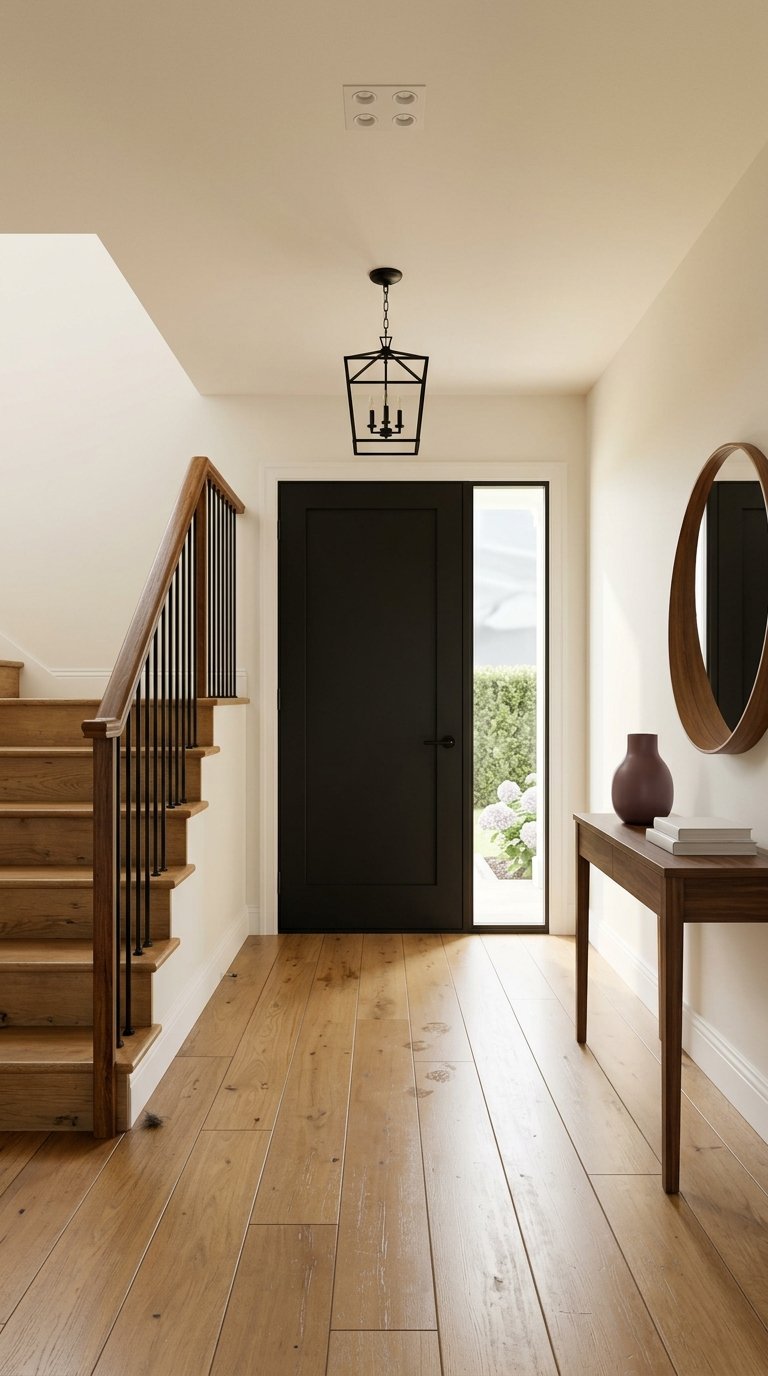
- Staging key rooms if it helps the layout read better
In Stockbridge, buyers often care about more than the bedroom and bathroom count. They are also thinking about commute convenience, affordability, and overall fit for their daily life. Since the city sits about 20 miles south of Atlanta with access to I-75 and I-675, many buyers weigh location convenience alongside home condition and price.
Set a Smart List Price
Pricing is one of the most important decisions you will make. In a balanced market, the right list price can help you attract serious buyers sooner. A price that overshoots the market can lead to extra days on market, less urgency, and more negotiation pressure later.
The best pricing discussion should be based on recent local sold comparables, not just current listings. Active listings show competition, but closed sales tell you what buyers have actually been willing to pay. That distinction matters in Stockbridge right now.
Current local numbers support a strategic pricing approach. The gap between list-side and sold-side figures shows why sellers should avoid relying on wishful pricing. Henry County’s 98.7% list-price-received figure suggests that buyers will still pay close to asking when the home is priced correctly, but they are not ignoring value.
Think Beyond the List Price
The number you list at is important, but it is not the only number that matters. You should also think about what you want to net after expenses. Upfront repairs, closing costs, and moving expenses can all affect your final outcome.
That is why a good pricing conversation should answer questions like:
- What price range fits current buyer demand?
- What prep costs make sense before listing?
- How quickly do you want or need to move?
- What sale price supports your next step financially?
A clear plan helps you avoid chasing the market later.
Prepare for Launch
Once your pricing and prep plan are set, the next step is getting ready to go live. This stage is about making sure your home shows well online and in person. In many cases, buyers will decide whether to schedule a showing based on photos alone.
A typical listing plan may include MLS exposure, virtual tours, open houses, and printed marketing materials. The goal is broad visibility and a strong first impression. For sellers, that means your main job is making sure the home is ready each time someone sees it.
Keep Your Home Show-Ready
Showings can happen at different times and sometimes with short notice. That part can feel inconvenient, but it is often necessary to create opportunity. The easier your home is to show, the easier it is for buyers to act.
A few habits can help:
- Keep surfaces clear and tidy
- Secure valuables and important documents
- Make beds and do quick daily touch-ups
- Have a plan for pets during showings
- Respond quickly to showing requests when possible
Fast communication matters here too. Sellers consistently value help with marketing, competitive pricing, and timing, but your responsiveness also supports the process. The smoother the showing experience, the better your chances of attracting strong offers.
Review Offers Carefully
When an offer comes in, it is natural to focus first on the price. But the strongest offer is not always the one with the highest number on page one. Terms matter, and in many cases they matter a lot.
You will want to look at the full picture. That includes the buyer’s proposed closing date, contingencies, inspection period, and potential appraisal risk. In a balanced market like Stockbridge, negotiation is normal, so it helps to stay flexible and focused on your priorities.
Compare More Than Price
When you review offers, pay attention to:
- Purchase price
- Closing timeline
- Inspection terms
- Financing type
- Appraisal risk
- Requested closing-cost assistance
- Other contingencies
A clean offer with realistic terms can sometimes be more attractive than a higher offer with more uncertainty. The goal is to choose the option that gives you the best overall path to closing, not just the biggest headline number.
If your listing has been sitting without enough activity, it may be time to adjust. A price reduction or closing-cost incentive can be more effective than waiting for buyer interest to change on its own.
Understand Georgia Disclosure Basics
Georgia has some seller-specific considerations that are worth knowing early. Georgia is commonly described as a caveat emptor, or buyer-beware, state. Even so, sellers should not treat that as a reason to ignore disclosure conversations.
The safer approach is straightforward: be honest about known issues and keep your records organized. Many Georgia transactions use standardized disclosure paperwork to help organize information about condition and fixtures. Clear documentation can reduce confusion later in the process.
If your home was built before 1978, there is an added lead-based paint requirement. Sellers and agents must disclose known information before contract signing, provide the required EPA/HUD pamphlet, include the lead warning statement, and give the buyer a 10-day opportunity for a paint inspection or risk assessment.
Move From Contract to Closing
Once you accept an offer, the process shifts into contract-to-close mode. At this point, the focus turns to deadlines, documentation, inspections, and buyer financing. This phase is usually more orderly than many sellers expect, even if it feels busy.
Your role is to stay responsive, provide requested documents promptly, and follow the contract terms. The final step is closing, where ownership transfers and you receive your sale proceeds after the terms of the agreement are satisfied.
What the Timeline May Look Like
It helps to think of selling as a series of stages instead of one long event. Those stages are usually prep, launch, showings, offers, contract, and closing. Breaking it down this way makes the process feel more manageable.
Based on current days-on-market trends in Stockbridge and Henry County, many sellers should think in terms of multiple weeks on market after launch. In many cases, the total timeline may stretch into the two-month range or longer if pricing or condition is not aligned with the market. That is an estimate, not a guarantee, but it is a useful planning frame.
Your Role as a Seller
A smooth sale is usually a shared effort. You do not need to do everything yourself, but your decisions and responsiveness do make a difference. The more prepared you are, the easier it is to keep the process moving.
Your main responsibilities typically include:
- Approving prep and pricing decisions
- Keeping the home show-ready
- Sharing documents quickly
- Reviewing feedback with an open mind
- Responding promptly to offers and requests
When you have a clear plan, selling feels less overwhelming and more manageable. In a market like Stockbridge, that kind of steady, informed approach can help you protect both your time and your bottom line.
If you are getting ready to list and want a local, step-by-step strategy built around your timing and goals, Melissa Thompson can help you create a clear plan from prep to closing.
FAQs
How long does it take to sell a home in Stockbridge, GA?
- Recent local data shows a median of about 54 to 58 days on market in Stockbridge and Henry County, and the full timeline can be longer when you include prep, contract, and closing.
What is the best way to price a home in Stockbridge?
- The best approach is to use recent local sold comparables, current competition, and your home’s condition to set a realistic list price that matches buyer expectations.
Should you get a pre-sale inspection before listing a Stockbridge home?
- A pre-sale inspection is not required, but it can help you discover repair issues early and make more informed decisions before buyers begin inspections.
What do buyers care about when shopping for a home in Stockbridge?
- Buyers often weigh affordability, commute convenience, neighborhood fit, and monthly payment along with the home’s size, condition, and presentation.
What disclosures matter when selling a home in Georgia?
- Sellers should be honest about known issues, keep records organized, and if the home was built before 1978, follow the required lead-based paint disclosure steps before contract signing.
What should you do if your Stockbridge listing is not getting offers?
- If activity is slow, it may help to revisit price, condition, presentation, or buyer incentives such as closing-cost assistance rather than simply waiting.